What is acne?
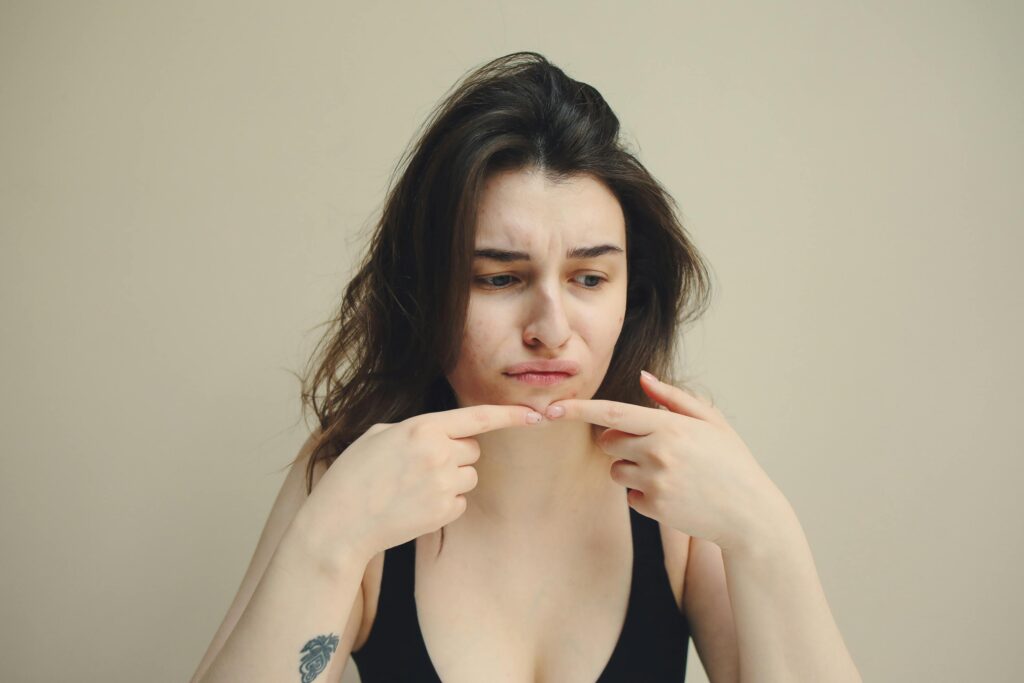
What is acne? Acne vulgaris, or simply acne, is arguably the most common skin condition in the world. Affecting an estimated 9.4% of the global population, it is a near-universal experience, particularly during adolescence. While often dismissed as a temporary rite of passage or a minor cosmetic issue, acne can have profound physical, psychological, and emotional effects on an individual, usually leading to anxiety, depression, and significant social distress. This comprehensive guide will explore “What is Acne? The World’s Most Common Skin Condition”.
The Biology of a Breakout: What Causes Acne?
At its core, acne is a disease of the pilosebaceous unit, which consists of a hair follicle and its associated sebaceous (Oil) gland. The exact manifestation of acne can vary greatly. The process that leads to the formation of a zit is consistently triggered by a specific sequence of four main events:
1. Excessive Sebum Production (Oily Skin)
Sebum is an oily substance naturally produced by the sebaceous glands, primarily to lubricate the skin and hair. Under certain conditions, mainly hormonal fluctuations (primarily an increase in androgens, such as testosterone, during puberty), the sebaceous glands become overstimulated and produce excessive sebum, a condition known as seborrhea. This excess Oil makes the skin appear shiny and greasy, setting the stage for a blockage.
2. Abnormal Follicular Keratinization (Cell Shedding)
Normally, skin cells (keratinocytes) lining the hair follicle are shed and expelled onto the skin’s surface. In acne-prone skin, this process goes awry. The keratinocytes become “sticky” and are shed too rapidly, clumping together with excess sebum rather than being naturally swept away. This sticky mixture forms a plug inside the follicle, a micro-obstruction that is the precursor to all acne lesions.
3. Bacterial Proliferation
The plugged, sebum-filled hair follicle creates a perfect, oxygen-poor (anaerobic) environment for the proliferation of the bacterium Cutibacterium acnes (formerly Propionibacterium acnes). C. acnes is a normal resident of the skin, but in a blocked follicle, it rapidly multiplies. This bacterium feeds on the sebum, breaking it down into irritating fatty acids.
4. Inflammation and Immune Response
The resulting fatty acids and the sheer multiplication of the bacteria trigger the body’s immune system. White blood cells are dispatched to fight the perceived invasion, leading to the release of inflammatory chemicals. This inflammatory response is what causes the redness, swelling, and pain characteristic of a fully formed, angry pimple. The pressure from the buildup of sebum, skin cells, and pus eventually ruptures the follicle wall, spilling its contents into the surrounding skin and intensifying the inflammation.
Underlying Triggers: Why Me?
While the four steps above describe the mechanical process of a breakout, several factors act as the fuel that drives this process, making some individuals more prone to acne than others.
- Hormones, genetics, diet, stress, medications, and cosmetics all influence acne development, showing that many factors can affect your skin, which helps you feel understood and less alone in your journey.
- Genetics: If one or both parents had acne, especially severe adult acne, you are significantly more likely to develop it.
- Diet: The link is complex and often debated; high-glycemic-index foods (such as white bread and sugary drinks) and dairy products (especially skim milk) have been shown in some studies to exacerbate acne by increasing insulin and IGF-1 levels, which, in turn, can stimulate sebum production and inflammation.
- Stress: While stress doesn’t directly cause acne, it can worsen it. When stressed, the body releases hormones (like cortisol) that can increase sebum production and inflammation.
- Certain Medications: Drugs containing corticosteroids, lithium, or some anticonvulsants can trigger or worsen acne.
- Cosmetics: Oil-based or comedogenic (pore-clogging) makeup and skincare products can directly contribute to follicular blockage.
Types of Acne
Acne is not a single type of blemish; it is a spectrum of lesions, ranging from non-inflammatory bumps to deep, painful cysts. Dermatologists classify acne severity based on lesion type and number.
I. Non-Inflammatory Acne
These lesions are plugged follicles, with minimal redness or swelling.
Open Comedones (Blackheads):
Appearance: Small, dark spots on the skin’s surface.
Mechanism: The hair follicle is plugged, but the pore opening is wide. The dark color is not dirt, but rather the result of the trapped melanin (skin pigment) and oxidized sebum reacting with the air (a process called oxidation).
2. Closed Comedones (Whiteheads):
Appearance: Small, flesh-colored or white bumps.
Mechanism: The hair follicle is completely blocked, and the sebum/cell plug remains under the skin’s surface. This is the earliest stage of an inflammatory lesion.
II. Inflammatory Acne
These lesions are characterized by the presence of C. acnes and the resulting immune response, leading to redness, swelling, and pain.
3. Papules:
Appearance: Small, raised, solid red bumps.
Mechanism: Inflammation has occurred, causing the follicle wall to mildly rupture. They are tender to the touch and do not have a visible white or yellow center.
4. Pustules:
Appearance: The classic “pimple” with a red base and a visible white or yellow center (pus).
Mechanism: These are essentially inflamed papules where a significant amount of pus (a mix of dead white blood cells, bacteria, and dead skin cells) has collected near the surface of the skin.
III. Severe Inflammatory Acne
These are the most severe forms of acne, extending deep into the dermis and often resulting in permanent scarring.
5. Nodules:
Appearance: Large, hard, painful lumps that develop deep beneath the skin.
Mechanism: Caused by a massive rupture of the follicle wall deep within the dermis, leading to an extensive collection of inflammatory material. They can persist for months.
6. Cysts (Nodulocystic Acne):
Appearance: Deep, pus-filled, painful lesions that resemble boils.
Mechanism: This is the most severe form, characterized by large, interconnected, fluid-filled sacs. They are highly destructive to surrounding tissue and almost always result in significant scarring.
Treatment Strategies
Treating acne is not a one-size-fits-all approach and often requires patience and consistency. The treatment chosen depends entirely on the severity and type of acne.
A. Over-the-Counter (OTC) Treatments (Mild Acne)
For mild comedonal and occasional inflammatory acne, OTC products containing the following ingredients are usually the first line of defense:
Benzoyl Peroxide: A powerful antibacterial agent that reduces C. acnes and has a mild peeling effect (comedolytic). It’s available in concentrations from 2.5% to 10%.
Salicylic Acid (BHA): A beta-hydroxy acid that exfoliates the skin, dissolving the “glue” that holds skin cells together and penetrating the pore to break up blackheads and whiteheads.
Alpha Hydroxy Acids (AHAs): Ingredients like Glycolic Acid and Lactic Acid help to exfoliate the skin’s surface and may help fade post-acne marks.
B. Prescription Topical Medications (Moderate Acne)
For moderate or persistent acne, a dermatologist may prescribe more potent topical agents:
Topical Retinoids (Tretinoin, Adapalene, Tazarotene): These are derivatives of Vitamin A and are considered the cornerstone of acne treatment. They normalize cell shedding, preventing pore blockage (highly comedolytic), and also have anti-inflammatory effects. Adapalene 0.1% is now available OTC.
Topical Antibiotics (Clindamycin, Erythromycin): Used to kill C. acnes bacteria. They are almost always prescribed in combination with Benzoyl Peroxide to prevent the development of bacterial resistance.
Azelaic Acid: Combats bacteria, reduces inflammation, and helps prevent hyperpigmentation (dark spots).
C. Systemic (Oral) Medications (Severe Acne)
For nodular, cystic, or body acne, or cases resistant to topical therapy, systemic treatments are necessary.
Oral Antibiotics (Doxycycline, Minocycline): Used for a limited time (typically 3-4 months) to reduce C. acnes and significantly curb inflammation throughout the body.
Oral Contraceptives and Anti-Androgens (Spironolactone): For women whose acne is primarily hormonal, these medications help regulate the androgen levels that fuel sebum production.
Isotretinoin (Formerly Accutane): A potent oral retinoid reserved for the most severe, nodulocystic, and scarring acne. It works by drastically shrinking the sebaceous glands and reducing sebum production, leading to long-term remission in many patients. Due to its serious side effect profile and risk of congenital disabilities, its use is heavily monitored.
D. Procedures and Adjunctive Therapies
Chemical Peels: Can help improve the appearance of mild acne and post-inflammatory hyperpigmentation (PIH).
Corticosteroid Injections: A dermatologist can inject a diluted steroid directly into a large, painful nodule or cyst to quickly reduce inflammation and speed healing, minimizing the risk of scarring.
Laser and Light Therapies: Various devices can target C. acnes or reduce sebaceous gland activity.
Beyond the Breakout: Managing Scarring and Hyperpigmentation
Once the active lesions are under control, two common concerns remain:
- Post-Inflammatory Hyperpigmentation (PIH): These are flat, dark spots (brown or black) left behind where a pimple was. They are caused by an overproduction of melanin in response to inflammation. Ingredients like Vitamin C, Niacinamide, Azelaic Acid, and prescription Hydroquinone are used to fade PIH.
- Acne Scars: True acne scars are textural changes (raised or depressed) in the skin caused by permanent damage to the collagen fibers in the dermis. Treating scars requires professional procedures like micro-needling, laser resurfacing, chemical peels, and dermal fillers.
Acne and Emotional Health
Acne is not only a physical condition. It can affect confidence, self-esteem, and social comfort. Many people hide behind heavy makeup or avoid mirrors because of how their skin looks. These feelings are authentic and valid.
If acne affects your mental or emotional well-being, you are not alone. Talking with a dermatologist can help you regain control of your skin. Talking with a counselor or support group can help you regain control of your self-image. Clear skin is never a measure of worth. Acne is not your fault. It is a medical condition with real solutions.
Conclusion: What is Acne? The World’s Most Common Skin Condition
Now that you’ve read the article, what is acne? The world’s most common skin condition. Acne is more than just a surface-level issue. It is a complex, chronic inflammatory disease rooted in the pilosebaceous unit, driven by hormones, genetics, and influenced by lifestyle. From the minute micro-comedones to the deep, painful cysts, the condition manifests in many forms, each requiring a tailored treatment approach.
The good news is that with today’s advanced understanding of acne pathogenesis and the vast array of effective therapies—from gentle OTC washes to powerful prescription medications like Isotretinoin—acne is highly treatable. If your acne is causing you distress, remember that self-treatment is often insufficient. The most crucial step you can take is to consult a board-certified dermatologist. They can accurately diagnose your specific acne type, assess its severity, and create a comprehensive, proactive treatment plan that targets the underlying causes, clearing your skin and, just as importantly, restoring your confidence.