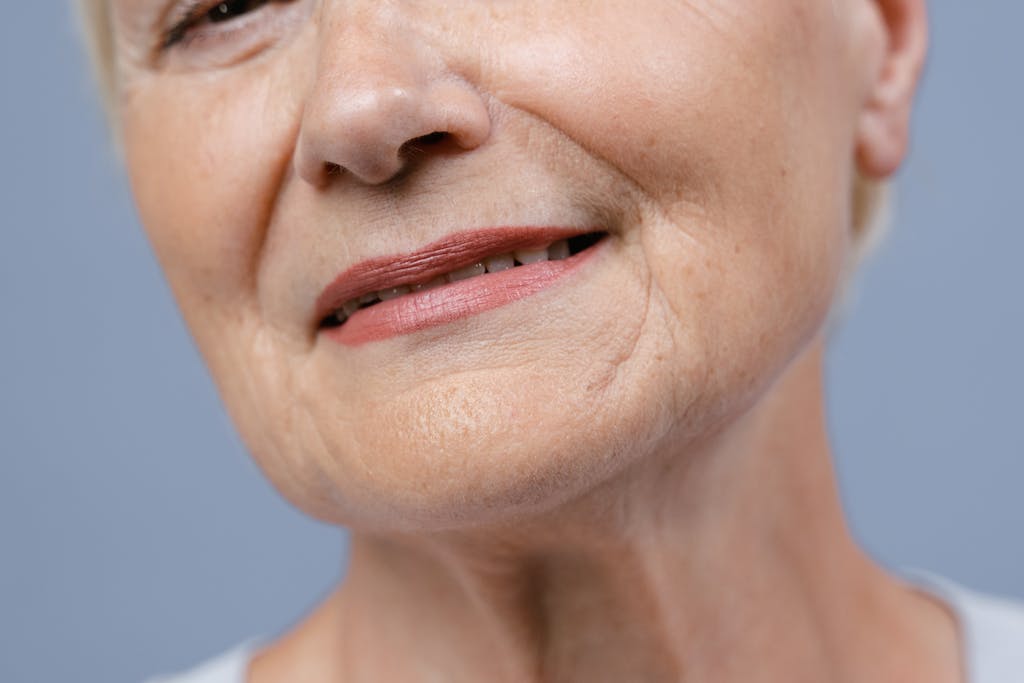
It is beautiful and a transforming movement of our skin through time. Our skin is the largest organ of the body, and as we age, it begins to narrate the story of our lives. Moreover, it is subject to fundamental biological changes that necessitate a different approach to its care. The goal of effective skin care for aging skin is not a battle against time, but rather a matter of understanding how it occurs and taking every step to make your skin look and feel its best, regardless of your age. It is an all-inclusive manual designed to clarify the process, not just provide quick solutions, but to offer a groundbreaking, scientifically based regimen. In this article, we’ll discuss “Effective Skin Care of Aging Skin: A Lifelong Journey of Radiance.”
Having an age-wise approach to skin care is a preventive task that involves nourishing, shielding, and revitalizing the skin to maintain its colour and appearance in line with your youthful spirit. It is an integrated routine that incorporates strong ingredients with regular routines, all for the purpose of maintaining the natural luminosity, firmness, and resilience of your skin in the years to come.
The Biological Shifts: The Science of Skin Care for Aging Skin.
To successfully meet the requirements of mature skin, the biological processes that underlie its function must first be understood. Collagen and elastin are the two primary proteins that maintain the skin’s structure. It is the collagen that gives the skin its structure and strength, and the elastin that allows the skin to spring back after being stretched. An essential part of any plan for skin care for aging skin is that we start to produce these proteins at a slower rate, approximately 1% per year, after our mid-20s. This loss is a primary cause of the development of fine lines, wrinkles, and facial volume loss.
At the same time, the skin’s renewability is reduced. The speed at which we lose dead cells in our skin and produce new, fresh cells slows down, causing the complexion to become dull, rough, and lifeless. Moreover, the skin’s ability to produce natural moisturising factors and maintain hydration has decreased. It can result in drier skin, as well as a weaker skin barrier, which is more prone to irritation and environmental destruction in mature skin. An effective skin care regimen for aging skin should address the following fundamental concerns: stimulating collagen production, enhancing the activity of skin cells, and supporting the skin’s moisture barrier. This scientific knowledge forms the foundation of all our product decisions and skincare actions that we will examine.
The Non-Negotiable Pillar: Sun Protection as the Base of Skin Care for Aging Skin.
There is one most crucial step, however, in any skincare regimen for aging skin: unanimous, daily sun protection. Photoaging (the cumulative damage caused by UVA and UVB rays) is often blamed for up to 90 per cent of the noticeable effects of aging, including deep wrinkles, sagging, hyperpigmentation, and other visible signs. UVA rays are considered the aging rays, as they penetrate the dermis layer, where they destroy collagen and elastin fibres. The superficial damage is caused by UVB rays, which are the rays responsible for burning. Thus, the best, general-purpose sunscreen is not a product of the season but the strongest anti-aging product in your supply.
The reason is that day-to-day skin care for aging skin should incorporate the use of a sunscreen with a minimum SPF of 30 or more on the face, neck, and décolleté area every morning, regardless of the weather, your schedule, or other factors. This habit is non-negotiable. Find formulas with wide-spectrum coverage and modern filters that are stable and effective. Modern sunscreens come in various textures, including light gels or invisible fluids, as well as creams containing nutrients, making it easier to find one that doesn’t cause discomfort and can be used under makeup. Regular sun protection not only helps prevent new damage but also enables the skin to concentrate all its energy on repair and regeneration, thus amplifying the effects of your other anti-aging products.
Effective Skin Care of Aging Skin: The Basic Steps to Daily Skin Care to Age.
The secret behind any successful approach to skin care for aging skin is a routine, twice a day. Being uncomplicated is not the point; effectiveness is. A simplified process, based on established steps, will yield much more favourable outcomes compared to a complex 10-step process, which cannot be easily sustained. Washing, healing, and moisturising are the key pillars of such a routine, with each contributing a unique and critical role in keeping the skin of the mature individual healthy and beautiful. Let’s discuss Effective Skin Care for Aging Skin: A Lifelong Journey of Radiance.’
1. The Gentle Cleanse:
A cleanse is one of the first steps in your morning and evening routines for caring for your aging skin. Aging skin, with its possibly defective skin barrier, cannot tolerate rough, stripping surfactants that may harm the natural lipid layer of the skin. Instead, use creamy, milky, or balm cleansers, which gently sweep impurities, makeup, and pollutants off without interfering with the skin’s natural oils. At nighttime, a double cleanse, beginning with an oil-based balm or micellar water to loosen the sunscreen and makeup, followed by a gentle water-based cleanser, will provide an immaculate canvas without irritation. This initial procedure is a pre-step to absorb the positive ingredients that come after completely.
2. The Targeted Treatment:
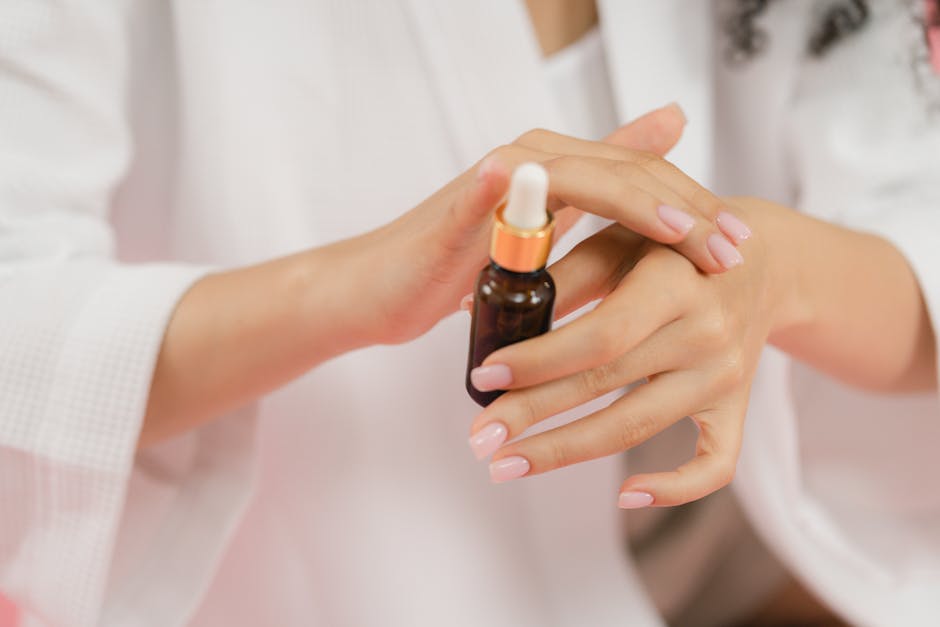
This is the stage where you treat your unique issues with active ingredients that are specifically focused. The workhorse of your aging skin treatment regimen is treatment products (they usually come in the form of serums and ampoules). They are very high in their concentration of active molecules that seek to penetrate deep and give transformative outcomes. You can switch between various treatments depending on your primary objectives. Vitamin C serum is best used in the morning to combat free radicals and even out the colour. In contrast, a retinoid or peptide serum is best used at night to stimulate collagen and repair damage overnight. It is a personalised strategy guaranteed to make your skincare routine for aging skin effective.
3. The Nourishing Moisturiser:
Hydration is key to achieving a radiant, youthful-looking face. The aging skin also loses its moisture-retaining capacity; therefore, a good moisturiser is essential in your skincare regimen for aging skin. The perfect moisturiser for mature skin must not just sit on the skin, but rather be a combination of humectants (such as hyaluronic acid and glycerin), emollients (such as ceramides and fatty acids), and occlusives to entrap the moisture. A moisturiser applied in the morning and evening helps to strengthen the skin’s barrier and resist the effects of environmental aggressors, providing a smooth and supple surface that reflects light well and reduces the appearance of fine lines.
The Working Partners in Your Skin Care for Aging Skin.
The active ingredients in your skin care products determine their effectiveness for aging skin. It will help you make informed decisions that can significantly impact your life by understanding what ingredients to look for and how they work.
· Retinoids (Vitamin A):
Retinoids are derivatives of Vitamin A, and despite their repeated acclaim as a gold standard in clinical skincare, they are often used in anti-aging skincare. They act at the cellular level to increase the rate of skin cell turnover, decongest pores, and most importantly, induce the formation of new collagen. It contributes to a noticeable improvement in fine lines, wrinkles, and skin texture. They may be powerful, so it is best to start with a low concentration of retinol or a weaker version of retinoid ester. Then you can increase the frequency gradually as your skin develops tolerance.
· Vitamin C (L-Ascorbic Acid):
Vitamin C is a crucial antioxidant in daytime skin care for aging skin. It also neutralises free radicals caused by UV exposure and pollution, thereby preventing them from destroying collagen. In addition, vitamin C inhibits an enzyme known as tyrosinase, which is involved in the synthesis of melanin; therefore, it is highly effective in lightening dark spots and promoting a more homogeneous, luminous skin tone. To be the most stable and effective, look for serums containing L-ascorbic acid in an opaque, air-tight container.
· Peptides:
This is a short chain of amino acids that sends a message to the skin, requesting it to create more collagen. Peptides are essential for your aging skin, and a peptide product in your skincare regimen serves as a blueprint for your skin to build its support infrastructure. They are incredibly soft, thus an excellent substitute or complement to retinoids for sensitive skin. Peptides have a long-term effect of enhancing the firmness, smoothness, and resilience of the skin.
· Hyaluronic Acid:
This superstar humectant is a naturally occurring, moisture-binding protein that can retain up to 1,000 times its weight in water.
Hyaluronic acid is a fundamental component in moisturising the skin of aging individuals, recognised as a key hydrating skin care ingredient, and has varying molecular weights. Smaller molecules will penetrate further to inflate the ones, and larger molecules will moisten the surface. Multi-molecular weight hyaluronic acid is recommended since it provides complete hydration to all layers and levels, immediately reducing wrinkles and giving the skin an immediate dew-like, youthful plumpness.
· Niacinamide (Vitamin B3):
This versatile vitamin serves as a multitasker in skincare routines for aging skin. Niacinamide is used to strengthen the skin barrier, enhance its ability to retain moisture, reduce redness and blotchiness, and minimize the appearance of enlarged pores. It also acts to prevent pigment transfer to the skin cells, fading existing sunspots and preventing the formation of new ones. The antiphlogistic and protective effects of it apply even to the most sensitive skin.
Their initial step was to establish advanced strategies and professional treatments for skin care, specifically for aging skin.
Although a fantastic at-home routine is the basis, occasionally the skin requires a juicier supplement. The superior strategies and professional therapies can elevate your outcomes in aging skin care to a new level, addressing concerns that are difficult to achieve with topical products alone.
1. Frequent Exfoliation:
As a result of aging, the skin’s turnover rate decreases, leaving dead cells behind and contributing to dullness and clogged pores. For aging skin. For aging skin, a light chemical exfoliant can be applied 1-3 times a week as part of your skincare routine, and it will work wonders. Alpha Hydroxy Acids (AHAs), such as glycolic and lactic acid, help gradually loosen the glue that binds dead skin cells together, exposing the underlying skin, which appears brighter and smoother. Beta Hydroxy Acid (BHA), or salicylic acid, is an oil-soluble substance that is very effective in pore cleaning. Regular, gentle exfoliation promotes the absorption of your other treatment products, making your entire routine more effective.
2. The Strength of Professional Treatments:
In-office procedures can provide an opportunity to consult a dermatologist or licensed esthetician, who can offer access to treatments that help achieve your objectives in caring for aging skin. Procedures such as professional-grade chemical peels, microdermabrasion, laser resurfacing, and microneedling are designed to induce a significant wound-healing response in the skin, resulting in a substantial increase in collagen and elastin levels. Since topical products are unable to produce the same dramatic results as these treatments on skin texture, tone, and firmness, they can be significantly improved. They cannot be considered as substitutes for a hard-working daily routine but rather as potent complements to it.
3. Use of Facial Massage and Facial Tools:
Incorporating facial massage and tools, such as gua sha or a jade roller, may be a valuable addition to your aging skin care routine. Light, upward massaging can help stimulate lymphatic drainage, reduce puffiness, and temporarily increase circulation, bringing oxygen and nutrients to the skin’s surface. These tools do not produce the same biological effects as retinoids or peptides. Still, they stimulate a healthy glow, facilitate product absorption, and even help relax facial features, which contributes to creating a more rejuvenated overall image.
Lifestyle and Nutrition Determinants for Skin Care for Aging Skin
Indeed, aging skin requires more than just a topical application of products to receive proper care. Your inner climate has a significant impact on the health and appearance of your skin, and lifestyle and nutrition are essential elements of your anti-aging program.
The last organ to absorb the food we eat is the skin, and therefore, it follows that an unhealthy diet will always reflect a sallow and pale complexion. The most straightforward yet essential internal skin care for aging skin is to remain sufficiently hydrated by drinking plenty of water. Additionally, a diet rich in antioxidants, such as those found in colourful fruits and vegetables, is beneficial in combating oxidative stress internally. Natural sources, such as avocados, nuts, and fatty fish, contain essential fatty acids that can help sustain the skin’s lipid barrier. A sufficient source of lean protein provides the amino acids that collagen needs to be formed.
- Sleep and Stress management: The concept of “beauty sleep is biologically accurate. In deep sleep, the body enters a stage of repair and regeneration, with increased blood supply to the skin, and higher levels of collagen are produced. Chronic sleep deprivation, on the other hand, may cause more noticeable signs of aging, such as dark circles and loss of radiance. Equally, long-term stress increases cortisol levels, which can degrade collagen and exacerbate inflammatory skin diseases. Non-negotiable components of a holistic approach to skin care in aging skin include 7-9 hours of sufficient sleep and the incorporation of stress-reduction measures, such as meditation, yoga, or walking in the open air.
Effective Skin Care of Aging Skin: A Lifelong Journey of Radiance
Navigating the field of aging skin care can indeed be a confusing step. Still, it ultimately reduces to a philosophy of consistent and informed care, based on science and self-compassion. It is not a destination to be reached, but rather a lifelong process. The best method of caring about aging skin is the one that is sustainable, pleasurable, and attractive to the changes in your skin.
You can age gracefully and confidently by establishing a daily sun protection routine, adopting a fundamental regimen of cleansing, treating, and moisturizing with effective ingredients, and making positive lifestyle choices to maintain your skin in optimal condition. It is important to remember that it is not the purpose of skin care for aging skin to make your skin look like that of your 20s, but to make sure that the skin that you will have in your 40s, 50s, 60s, and so on, is the healthiest, most resilient, and most radiant it can be. It is a self-care practice that respects your life path and glorifies the beauty of each stage of life.