
Introduction
If you’ve noticed your skin on your arms, neck, under-eyes, or legs starting to look thin, saggy, “crepe-paper-like,” you’re dealing with what dermatologists call crepey skin. It’s not simply “wrinkles” — it’s a combination of thinning, loss of elasticity, dryness, and structural changes. The good news is that while you can’t entirely rewind the clock, you can significantly improve its appearance with the proper routine, ingredients, and tools. In this blog, we’ll discuss “Crepey Skin Care: Anti-Aging Skincare Solutions With Smart Product Picks.”
Crepey skin occurs when the skin loses its elasticity, collagen, and moisture, resulting in a thin, loose, and finely wrinkled appearance — similar to crepe paper. It differs from regular wrinkles, which are typically deeper and caused by facial expressions or muscle movement.
What is crepey skin?
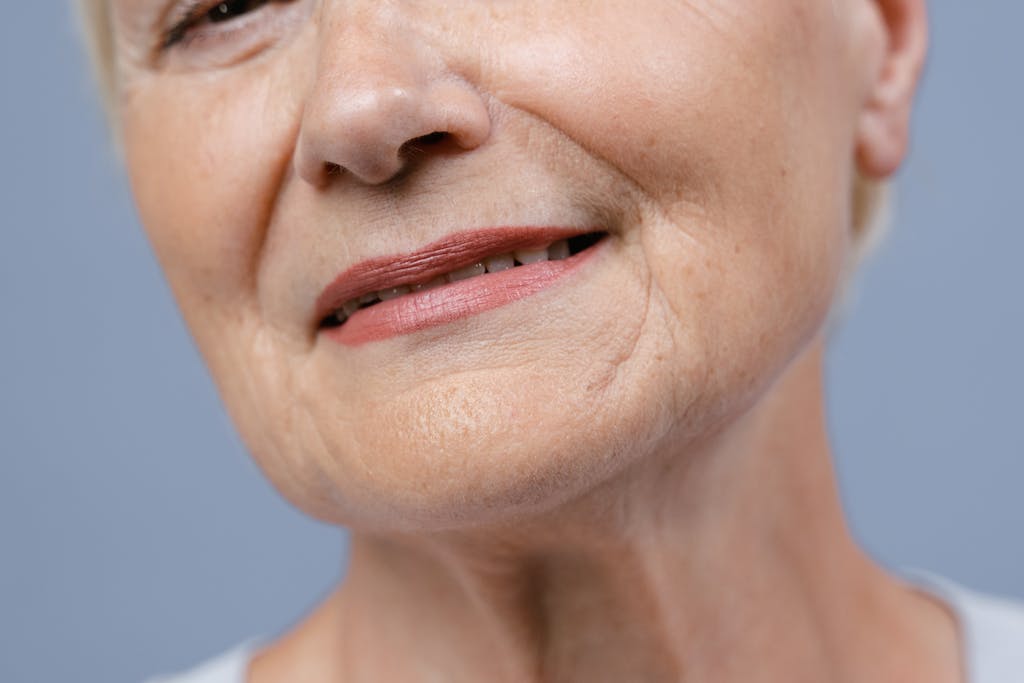
The term crepey skin describes skin that resembles the thin, wrinkled surface of crepe paper. It is more than just a few lines or wrinkles—it often involves thinning, sagging, loss of firmness, and a distinct texture.
Clinically, crepey skin is characterized by:
- Fine, dense wrinkles and a “paper-thin” appearance of the skin.
- A laxity or looseness to the skin, especially in areas with frequent movement, sun exposure, or where the skin is naturally thinner (neck, inner arms, décolletage).
- Texture changes rather than just deep folds or bulging wrinkles; lots of small, tightly packed lines, and often less underlying “plumpness.”
Crepey skin vs wrinkles
Wrinkles are deeper lines that form in a concentrated area due to various factors, such as facial expressions or muscle movement. On the other hand, crepey skin is a more widespread condition characterized by thin, lax, and crinkly skin across a larger area. The top triggers for crepey skin include UV exposure, the natural loss of collagen and elastin with age, dry climate, smoking, rapid weight fluctuations, and over-cleansing that can harm the skin’s barrier.
Causes of Crepey Skin
Here’s what typically causes crepey skin:
1. Sun damage (UV exposure):
The #1 culprit. UV rays break down collagen and elastin — the proteins that keep skin firm and stretchy — and damage the skin’s natural repair process over time.
2. Loss of collagen and elastin with age:
Starting in your 30s, the body produces less collagen and elastin each year. The skin becomes thinner and less resilient.
3. Dryness and dehydration:
When the skin barrier weakens or lacks moisture, it can look papery and fragile. Chronic dryness accelerates the development of a crepey texture.
4. Weight changes:
Gaining and losing weight stretches the skin, and when elasticity is low, it can’t tighten back up smoothly.
5. Hormonal changes:
Lower estrogen levels during menopause reduce collagen production and skin hydration.
6. Lifestyle factors:
Smoking, poor nutrition (especially lack of protein, vitamin C, and healthy fats), and not using moisturizer regularly all accelerate the process.
7. Environmental exposure:
Pollution and stress also generate free radicals, which damage collagen and weaken skin structure.
8. Thinning of the skin layers and reduced Oil production
Over time, the dermis (middle layer) thins, and the protective Oil barrier of the skin weakens, making the skin drier, more fragile, and prone to “crepey” texture.
Where is it most common?
Crepey skin can appear on any part of the body, but it’s especially noticeable in areas where the skin is thinner or more exposed:
- Under the eyes
- Neck and décolletage
- Inner upper arms
- Front of the thighs
- Hands and backs of hands
- Sometimes, it’s the knees and the body in general.
Can it be fully reversed?
It’s essential to establish realistic expectations. As multiple sources emphasize, once crepey skin has developed to a significant degree, a complete reversal to a youthful skin texture may not be possible.
However:
- Its appearance can be improved. Skin texture can be smoothed, hydration and firmness improved, and the progression of further “crepiness” slowed.
- Early intervention is better. When caught early (e.g., at the beginning of thinning or fine lines), the changes are more amenable to improvement.
Crepey Skincare: AM vs PM
Addressing crepey skin with a targeted skincare regimen can make a significant difference. This routine is designed to protect, rehydrate, stimulate structural proteins, and maintain barrier plus texture. The following is a suggested routine, along with application tips and additional lifestyle supports, to help you feel hopeful about improving your skin’s condition. Let’s discuss Crepey Skin Care: Anti-Aging Skincare Solutions With Smart Product Picks,
Daily Morning Routine
- Gentle Cleanse
Use a mild, non-stripping cleanser that doesn’t leave the skin tight or dry. For thinning skin, it’s essential to preserve the natural barrier.
- Antioxidant or Vitamin C Serum
A serum with vitamin C (or other antioxidants) helps defend against free-radical damage from the sun/UV and pollution, which contribute to collagen/elastin breakdown. (If you have sensitive skin, start gradually.)
- Hydrating / Plumping Serum
Target moisture and plumpness with humectants like hyaluronic acid, glycerin, or a light peptide serum. Since crepey skin often lacks volume and humidity, this step is key.
- Moisturizer with Barrier-Support Ingredients
A richer moisturizer that includes ceramides, fatty acids, lipids, and emollients helps support the skin’s barrier, reduces water loss, and improves texture. A strong barrier helps mitigate the worsening of crepey texture.
- Broad-Spectrum Sunscreen (SPF 30 or higher)
- Daily sun protection is absolutely critical. UV damage is a major driver of crepey skin, so using regular sunscreen, protective clothing, and shading is essential.
Evening Routine
- Cleanse (again, gently)
Remove the day’s build-up, pollution, and sunscreen. Again, be gentle—avoid harsh scrubs or over-cleansing, which can weaken the skin barrier.
- Treatment / Actives
This is the opportunity to introduce more potent actives that assist with texture, laxity, and thinning:
- Retinol or a retinoid: Helps promote cell turnover, stimulates collagen, and improves texture. Many dermatologists recommend it for crepey skin.
- Alpha-hydroxy acids (AHAs), such as lactic acid or glycolic acid, can help exfoliate and smooth the surface texture.
- Peptides/growth factors: These support structural proteins in the skin (collagen/elastin).
- Important: When using active exfoliants or retinoids, the skin may become more sensitive to the sun, so sunscreen is non-negotiable.
- Rich Moisturizer / Night Cream
- After your treatment step, apply a richer moisturizer to lock in hydration and support regeneration overnight. Ingredients like hyaluronic acid, ceramides, lipids, and possibly peptides are ideal. Consider slightly thicker textures for body areas of crepey skin (arms, thighs, neck).
Weekly / Bi-weekly Add-Ons
- Gentle exfoliating mask or enzyme treatment once per week to help smooth skin texture (but don’t over-exfoliate).
- Body care: For arms, thighs, décolletage, and other areas, consider using body-specific treatments, such as body lotions with retinol, or body firming creams with peptides/AHAs, especially for crepey skin on the body.
- Targeted area treatments: For the neck, décolletage, or under-eye regions, consider creams formulated for thinner, more delicate skin that contain peptides/growth factors.
How to Adapt to Your Skin & Body
- For sensitive skin, introduce retinol or exfoliants gradually (e.g., every other night), and always pair with a good moisturizer.
- For body areas (arms, thighs, stomach): The skin is thicker but may still benefit from similar actives—ensure you pick formulations designed for body use (non-greasy, spreadable).
- For the neck and décolletage: These areas are thinner, so you may want to opt for a lighter texture. You may also choose to skip potent retinoids if irritation occurs, focusing more on peptides and barrier repair.
- If you notice irritation, redness, or flaking, reduce the frequency of actives and focus on hydration + barrier support for a while.
Ingredient Breakdown – What to Look For & Why
Here’s a summary of key skincare ingredients that are especially beneficial for crepey skin, along with their functions.
- Retinol / Retinoid: Promotes cell turnover, strengthens collagen/elastin matrix → improves texture. Begin with a low strength; wear sunscreen, as it may irritate at first.
- AHAs (glycolic, lactic acid): Exfoliate surface, improve smoothness and tone; can enhance penetration of other actives. Use weekly or bi-weekly; avoid too much overlap with other potent actives.
- Peptides / Growth factors: support the building of structural skin proteins (collagen, elastin). Often well-tolerated, suitable for the neck/décolletage/body.
- Hyaluronic acid / Glycerin / Humectants: Attract and retain moisture, plumping the skin and improving the appearance of thinning skin. Works well layered under moisturizer.
- Ceramides, lipids, and barrier-repair agents rebuild the skin barrier, reduce water loss, and protect against further damage. Essential for maintaining the resilience of aging skin.
- Broad-spectrum SPF/Sun protection prevents further UV-driven damage to collagen/elastin, making it the most impactful preventive measure. Daily use (rain or shine) and reapply every 2 hours when outdoors.
- Antioxidants (Vitamin C, niacinamide, etc.) Helps mitigate free radical damage, brightens the skin, and supports tone/texture. Use in the morning can pair well with other activities.
What to look for in products
- For body areas (arms, thighs), choose body-specific formulas: body lotions or creams with retinol, peptides, AHAs, and thicker emollients.
- For the neck, choose formulas labeled for neck/décolletage—often gentler with peptides and lower retinoid concentrations.
- For the face, opt for targeted anti-aging serums and moisturizers containing retinol, peptides, and AHAs.
- Ensure product labels indicate broad-spectrum sunscreen in day creams or use a separate sunscreen.
- Avoid overly fragranced/irritating formulas, especially if your skin is thinner or sensitive.
Anti-Aging Skincare Solutions That Support Prevention and Improvement
Skincare products alone can help—but they work best when paired with healthy habits.
Sun & Exposure
- Use broad-spectrum sunscreen daily (face, neck, and arms) and reapply every 2 hours if you are in direct sunlight.
- Wear sun-protective clothing, hats, and stay in shade when possible. Sun damage is the #1 preventable cause of crepey skin.
- Avoid tanning beds and frequent intense sun exposure.
Hydration & Diet
- Keep your body well-hydrated; although topical hydration is most relevant for skin texture, systemic hydration is essential for overall skin health.
- Eat a balanced diet rich in antioxidants (fruit, vegetables), lean proteins (for collagen support), and healthy fats (to support skin barrier).
- Avoid smoking and excessive alcohol—both accelerate skin aging and loss of elasticity.
Sleep & Stress
- Prioritize sleep—skin regenerates during sleep, and poor sleep impairs barrier function and repair.
- Manage stress—chronic stress can exacerbate skin aging via hormonal and oxidative pathways.
Weight & Movement
- Avoid rapid weight fluctuations; sudden weight loss (or gain, then loss) can lead to saggy, thin, crepey skin.
- Incorporate strength training or resistance exercises to maintain muscle mass beneath the skin—stronger underlying tissue may help support the skin’s appearance.
- Stay physically active—improves circulation and skin health.
Regular Skin Care Maintenance
- Be consistent with your routine. Improvement in texture takes time (often several months), and intermittent use won’t yield the same benefit.
- Don’t over-exfoliate. For thinning skin, excessive scratching, scrubbing, or harsh mechanical exfoliation can cause damage rather than improvement.
- Check in with a dermatologist if you notice sudden changes in your skin (thinning, rapid crepiness, bruising easily)—sometimes fragile skin may signal other underlying issues.
In-office treatments
According to the dermatology literature:
- Ultrasound skin tightening (e.g., Ulthera) and laser resurfacing can improve laxity more than creams alone.
- Fillers/injectables: For deeper crepiness in the face or neck, dermal fillers may be recommended.
- Radiofrequency/microneedling: Stimulates collagen deeper in the skin, but requires downtime and additional costs.
At-Home Tools That Support Firming
- LED red light masks: CurrentBody Skin LED Mask or Omnilux Contour Face or Neck, used 3-5 times weekly for 10-20 minutes.
- Microcurrent: NuFACE Trinity+ or Ziip Halo for the face and neck, 5 days a week for 60 days, then maintenance. Always use conductive gel.
- Gentle body dry brushing before a shower can boost circulation, keep it light. Avoid at-home microneedling if you are not trained; see a professional for microneedling.
Best Anti-Aging Crepey Skin Care With Smart Products: Face and Body Picks
Choose what fits your budget and skin type, then build up slowly. Patch test new actives and increase frequency over a few weeks.
Face Routine Winners: Cleanse, Treat, Moisturize, Protect
Cleansers
- CeraVe Hydrating Cream-to-Foam Cleanser is a gentle yet effective cleanser for use in the morning or evening.
- La Roche-Posay Toleriane Hydrating Cleanser, a non-foaming formula, is ideal for dry or sensitive skin.
Serums
- SkinCeuticals C E Ferulic or Timeless 20% Vitamin C + E Ferulic, use in the morning after cleansing.
- Vichy Minéral 89 or The Ordinary Hyaluronic Acid 2% + B5, layer daily for hydration.
- The Ordinary Matrixyl 10% + HA, peptide support, once or twice daily.
Retinoids
- Differin Adapalene 0.1% Gel, start 2 to 3 nights weekly, then increase.
- La Roche-Posay Retinol B3 Serum, balanced for sensitive types.
- RoC Retinol Correxion Night Cream is a simple cream format designed for nighttime use.
Moisturizers
- CeraVe PM Facial Moisturizing Lotion, ceramides and niacinamide, nightly or twice daily.
- Neutrogena Hydro Boost Gel-Cream: lightweight hydration that works well under makeup.
- Vanicream Moisturizing Cream is a minimal formula for reactive skin.
SPF
- La Roche-Posay Anthelios Melt-in Milk SPF 60, broad coverage for face and body.
- EltaMD UV Clear SPF 46 is ideal for individuals with redness-prone or breakout-prone skin.
- Supergoop! Unseen Sunscreen SPF 40, clear, makeup-friendly finish. Reapply every 2 hours outdoors.
Body Smoothers for Arms, Legs, Chest, and Hands
- AmLactin Daily Moisturizing Lotion, 12% Lactic Acid, is used nightly or every other night to smooth the texture.
- Paula’s Choice Skin Revealing Body Lotion 10% AHA: Apply 3-5 times weekly to rough, crepey areas.
- Eucerin Roughness Relief Lotion with urea and lactic acid, for daily use on dry, thin skin.
- Olay Nighttime Retinol Body Lotion or Gold Bond Age Renew Retinol Overnight Body & Face Lotion, apply 3 to 5 nights weekly on non-acid nights.
- Nécessaire The Body Retinol, gentle starter for chest and arms, 2 to 3 nights weekly.
- The Ordinary 100% Plant-Derived Squalane or Bio-Oil Skincare Oil seals in moisture on damp skin.
- Hands: Apply an AHA or urea lotion at night, followed by a thick cream and cotton gloves.
Neck, Décolleté, and Under-Eye Care That Does Not Pill
Neck creams
- Revision Skincare Nectifirm Advanced.
- StriVectin TL Advanced Tightening Neck Cream Plus.
Eye creams
- RoC Retinol Correxion Eye Cream.
- Neutrogena Rapid Wrinkle Repair Eye.
- Paula’s Choice C5 Super Boost Eye Cream for brightening.
Application tips: use pea-sized amounts, pat gently, avoid pulling. Start using retinol eye creams 2 to 3 times a week.
30-Day Plan for Softer, Bouncier Skin.
- Week 1: Perform a patch test, start using a daily moisturizer and SPF, add hyaluronic acid, and use a body AHA or urea lotion 3 nights a week.
- Week 2: Add vitamin C in the mornings and increase body lotion use to most nights if tolerated.
- Week 3: Introduce a retinoid 2 nights a week for the face, and add body retinol on non-acid nights.
- Week 4: Adjust frequency based on tolerance and add LED or microcurrent sessions as needed.
Track progress with a simple photo in the same light. Book a dermatology consultation if the texture is not improving.
Real Talk: Crepey Skin Care: Anti-Aging Skincare Solutions With Smart Product Picks
Now, you’ve learnt about Crepey Skin Care: Anti-Aging Skincare Solutions With Smart Product Picks.
Crepey skin doesn’t mean your skin is “ruined.” It’s just a signal that your skin needs rebuilding and protection. The key is patience and consistency. Think of it as a long-term investment in your skin’s resilience. Use the routines, select innovative products, and protect your skin daily. Consider taking the next step if you want a transformative change.